


 Get a Quote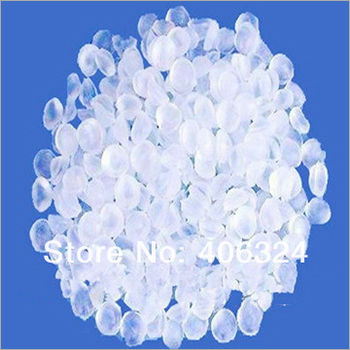
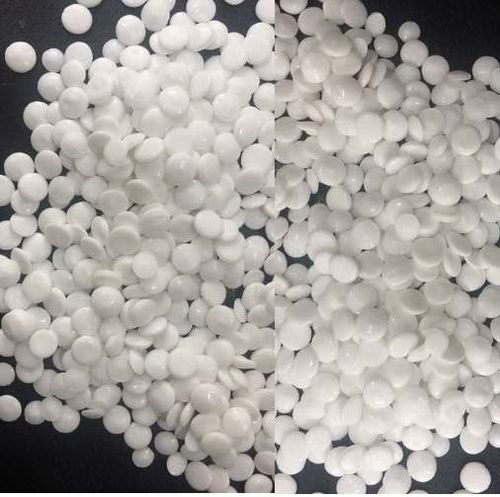
Low Density Polyethylene Granules
Product Details:
- Type LDPE
- Material Feature Easy weldability & machine ability. Good thermoforming. High Corrosion Resistance. low moisture absorption. Good abrasion resistance. Electrical insulating properties. High Strength. High percentage elongation at break.
- Density 0.924 Gram per cubic centimeter(g/cm3)
- Grade A
- Color White
- Warranty 1 Year
- Click to View more
X
Low Density Polyethylene Granules Price And Quantity
- 10 Ton
Low Density Polyethylene Granules Product Specifications
- 1 Year
- A
- Easy weldability & machine ability. Good thermoforming. High Corrosion Resistance. low moisture absorption. Good abrasion resistance. Electrical insulating properties. High Strength. High percentage elongation at break.
- White
- 0.924 Gram per cubic centimeter(g/cm3)
- LDPE
Low Density Polyethylene Granules Trade Information
- 10 Ton Per Day
- 5 Days
Product Description
The Low Density Polyethylene Granules made available by us that are widely appreciated for its features like high flame resistance, non-oxidizing character, non-toxic to some extent, chemical stability etc. They are used in the manufacturing of various plastic products. Catering to the requirements of plastic industry, these have enabled us to strengthen our client list. LDPE (Low-density Polyethylene) is the most common form of polyethylene used. The resins are much more than just being general purpose polyethylene resins. The Low Density Polyethylene Granules prove to be a valuable product of polyethylene family which has excellent combining superior clarity and with stiffness and density.
Specification
|
Item |
Result |
Test Method |
|
meltflowrate(g/10min) |
2.3 |
ASTMD-1238 |
|
Densityg/cm3 |
0.924 |
ASTMD-792 |
|
Hardness shoreD |
57 |
ASTMD-2240 |
|
Elongation% |
7 |
ASTMD-638 |
Superior Performance & Reliability
LDPE Granules are formulated to deliver both strength and longevity. Their resistance to corrosion, moisture, and abrasion, combined with electrical insulating features, makes them a top pick for multiple industrial and commercial uses. The robust nature of these granules makes them suitable for demanding applications while maintaining high levels of flexibility and process efficiency.
Versatile Applications Across Industries
Given their easy weldability and machinability, these LDPE granules are popular in packaging, wire insulation, piping, and thermoforming industries. Their excellent percentage of elongation at break and white color help manufacturers deliver both technical precision and aesthetic appeal. This versatility ensures seamless integration into modern production lines.
Quality Assurance & Local Support
As a leading importer, manufacturer, and trader in India, we maintain stringent quality control and provide expert guidance throughout the procurement process. Coupled with a one-year warranty, our support team is always ready to assist clients in maximizing the benefits of our Grade A LDPE granules.
FAQs of Low Density Polyethylene Granules:
Q: How are Low Density Polyethylene (LDPE) Granules processed in manufacturing?
A: LDPE granules are processed via common techniques such as extrusion, injection molding, blow molding, and thermoforming, thanks to their easy weldability and machinability. These methods enable the granules to be transformed into films, containers, insulation materials, and more.Q: What makes these LDPE granules suitable for electrical insulation applications?
A: These granules offer excellent electrical insulating properties due to their chemical structure and low moisture absorption. This makes them ideal for manufacturing wire coatings, cables, and other products that require high electrical resistance.Q: When should I choose Grade A LDPE granules over other types of plastics?
A: Grade A LDPE granules are best suited when you need high strength, flexibility, and resistance to chemicals, abrasion, or moisture. They are preferred in industries where good elongation at break and process efficiency are prioritized, such as packaging or electrical insulation.Q: Where are these LDPE granules manufactured and supplied in India?
A: Our LDPE granules are produced and distributed from our facilities in India, ensuring prompt local support and adherence to national and international quality standards. We serve clients as an importer, manufacturer, and trader across various regions.Q: What are the main benefits of using your LDPE granules?
A: The main advantages include easy machinability, strong weldability, outstanding corrosion and abrasion resistance, high electrical insulation, and significant elongation at break. These features contribute to reliable and durable finished products in a wide array of applications.Q: How does the warranty work for these LDPE granules?
A: We offer a one-year warranty on our LDPE granules. This covers material and manufacturing defects, providing customers with confidence and assurance when integrating our products into their manufacturing processes.Tell us about your requirement

Price:
Quantity
Select Unit
- 50
- 100
- 200
- 250
- 500
- 1000+
Additional detail
Mobile number
Email

Other Products in 'LDPE GRANULES ' category

POLYRAW ENTERPRISES
GST : 07AFSPJ9135Q2ZG
GST : 07AFSPJ9135Q2ZG

- Flat No: 2281, Sector-1 DSIDC Industrial Area Narela,Delhi - 110040, India
- Phone : 08045800530

- POLY RAW ENTERPRISES TEAM
Information
Mobile : +919315691411 , +919891537375 - Send Inquiry
 Send Inquiry
|

 Send Inquiry
 Send SMS
POLYRAW ENTERPRISES
All Rights Reserved.(Terms of Use)
Developed and Managed by Infocom Network Private Limited.
Developed and Managed by Infocom Network Private Limited.

